High-Quality Service in Bigfork HVAC Air Balancing
Understanding Air Balance Services: Ensure Comfort and Efficiency
Air balance solutions serve a vital function in enhancing HVAC system operation. By managing airflow effectively, these services tackle widespread concerns including thermal inconsistencies and humidity fluctuations. Trained technicians evaluate systems to detect imbalances and apply corrective measures, resulting in greater energy savings. Numerous property owners neglect these services, not fully recognizing their significant advantages. Recognizing these factors can dramatically improve interior spaces, yet what particular indicators suggest the necessity for professional attention?
Ways Air Balance Services Address Common HVAC Problems
Air balancing services successfully resolve common HVAC issues by guaranteeing ideal airflow throughout a structure. By assessing and modifying airflow distribution, these services enhance system performance and occupant comfort. When air balance is optimized, thermal inconsistencies between areas are eliminated, eliminating uneven temperature pockets. This leads to more uniform temperature control, boosting the system's overall energy effectiveness.
In addition, airflow balancing services can detect and correct concerns like unwanted duct noise or irregular air pressure, which can overburden the HVAC unit. By optimizing airflow, these solutions decrease energy demand, ultimately lowering energy costs. Better indoor air quality is an additional advantage, as effective ventilation limits the concentration of pollutants. Routine air balancing not only extends the lifespan of heating and cooling systems but also guarantees that they run at maximum efficiency. To conclude, air balancing services play a vital role in maintaining a comfortable and productive indoor environment.
Indicators That Your HVAC System Requires Air Balancing
Indicators that an HVAC system may require air balancing consist of irregular temperature variations between different areas and unusually high noise levels while running. These signs often point to improperly controlled airflow, leading to poor comfort conditions and energy waste. Addressing these signs promptly can enhance overall system performance and indoor comfort.
Uneven Temperature Distribution
A common sign that a heating and cooling system may need air balancing is irregular temperature distribution throughout a property. This issue often appears as certain rooms being too warm or too cool compared to others, leading to discomfort for occupants. It can result from various factors, including incorrectly sized ductwork, clogged vents, or disrupted airflow. When air is not evenly distributed, some areas may experience too much heating or cooling, while others go without proper conditioning. Homeowners might notice that thermostats show varying readings in various rooms, highlighting this disparity. Resolving uneven temperature distribution not only improves comfort levels but also improves energy efficiency, as the system expends extra energy addressing these issues. Air balancing performed in a timely manner can address these problems efficiently.
Extreme Noise Levels
Unusually high noise levels from a heating and cooling system can suggest the requirement for air balancing. When an HVAC system operates outside its designed noise thresholds, it may indicate underlying issues connected to airflow. Shrill whistling or rattling sounds often stem from imbalanced ductwork, impeding airflow and creating pressure on the unit. This can result in increased energy consumption and potential damage over time. Residents may additionally observe irregular noises throughout various rooms, indicating imbalanced pressure levels. Tackling these noise problems via professional air balancing can boost general system effectiveness and indoor comfort. Routine upkeep and monitoring of noise levels can help prevent further complications, ensuring a quieter and more effective HVAC operation.
Maximizing Energy Efficiency Through Air Balancing Services
Optimizing air balancing services can substantially boost energy performance in residential and commercial properties alike. By establishing that HVAC distribution systems maintain proper balance, building operators can minimize energy waste and lower utility expenses. When air flow is uneven, some regions may suffer from overheating or overcooling, causing higher energy consumption as climate control systems operate harder to maintain desired temperatures.
Proper air balancing encompasses evaluating and adjusting airflow rates to ensure that every area obtains the appropriate amount of conditioned air. This enhances comfort levels while also extending the operational life of HVAC units, as they operate more efficiently. Furthermore, properly balanced air systems contribute to improved indoor air quality, minimizing the requirement for supplemental ventilation and filtration. As a result, the implementation of air balance services serves as a wise strategic commitment, advancing sustainability while improving the total performance of residential and commercial heating and cooling systems.
What to Expect During Air Balancing
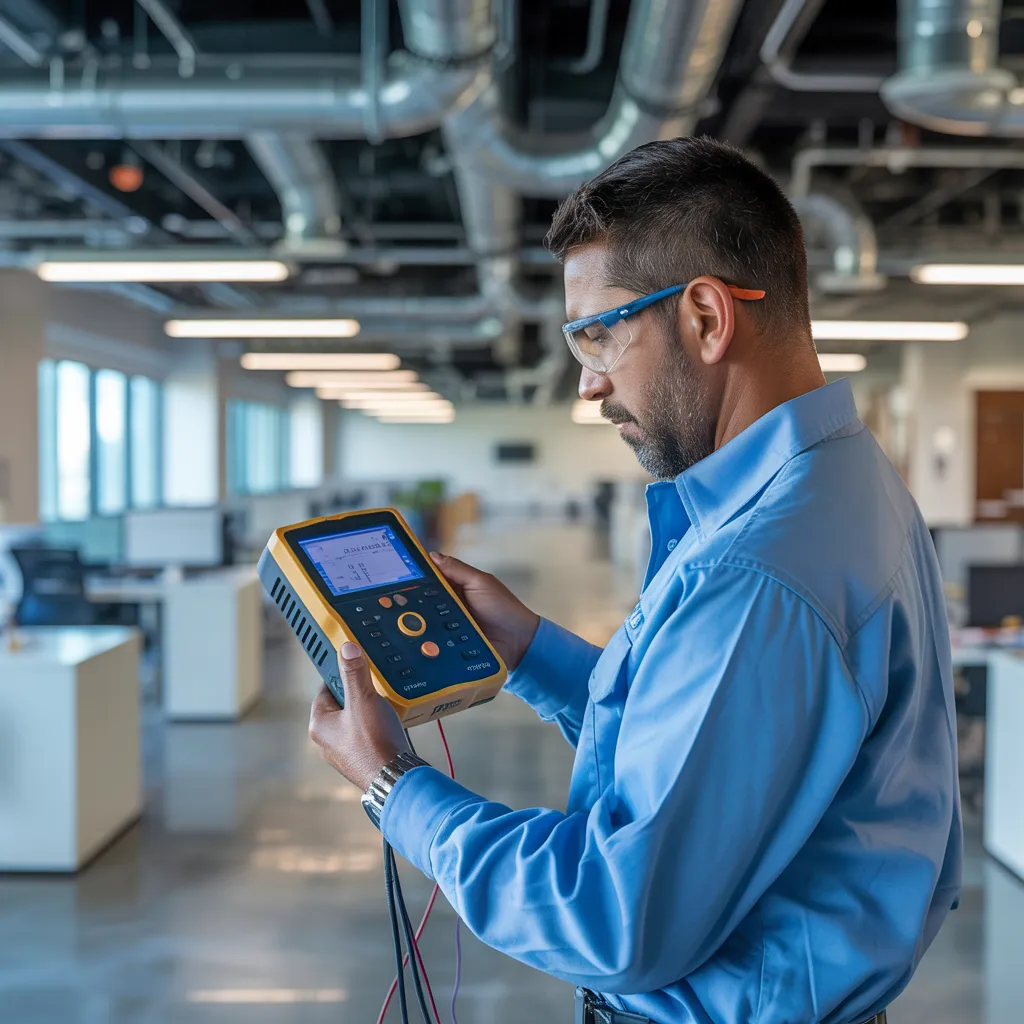
What can one expect during the air balancing process? The procedure typically begins with a thorough inspection of the HVAC system. Technicians assess ductwork, airflow, and temperature variations throughout the space. Using specialized equipment, they measure air pressure and flow rates to identify imbalances.
When information has been obtained, technicians implement adjustments to the system, potentially involving fine-tuning dampers or resizing ductwork. This guarantees a balanced airflow distribution, enhancing comfort and efficiency.
During the process, trained professionals may also check for leaks and inefficiencies, providing recommendations for necessary repairs or upgrades.
Once adjustments are made, additional measurements validate that the system operates efficiently. In certain instances, a final report documenting the results and adjustments may be provided. Ultimately, air balancing aims to establish a comfortable atmosphere while enhancing energy efficiency, ultimately leading to reduced expenses for the property owner.
How to Choose the Right Air Balance Service for Your Needs
Choosing the most suitable air balance service is essential for ensuring peak HVAC efficiency and comfort. When choosing a company, individuals should first assess the provider's experience and credentials. A reputable service typically possesses credentials and comprehensive expertise of HVAC equipment.
Next, you should read customer reviews and testimonials. These reviews can reveal important details about service quality and overall customer satisfaction. Additionally, obtaining multiple quotes makes it possible to evaluate the pricing and services available, ensuring a cost-effective choice.
Ask about the specific expert guide techniques and equipment the provider uses for HVAC air balancing. Modern technology can lead to greater precision. Additionally, consider the provider's customer service and support. A helpful and experienced team can improve the entire process. By considering these key elements, customers can make an informed decision, resulting in enhanced indoor comfort and superior air quality.
Debunking Common Misconceptions About Air Balance Services
Several myths surround air balancing services, including the belief that they are unnecessary and solely focused on controlling temperature. In addition, some tend to assume easy solutions are easily accessible, ignoring the intricacy required for accomplishing balanced air flow. Addressing these misunderstandings is essential for appreciating the genuine benefits of professional air balance services.
Air Balance Is Optional
Air balance services are often mistakenly viewed as optional, leading to considerable misconceptions about their importance in HVAC systems. Many property owners believe that air balance is only necessary during initial installations, neglecting its contribution to sustained efficiency and comfort. This misconception can result in uneven temperatures, increased energy costs, and diminished air quality. Proper air balance guarantees that conditioned air is evenly distributed throughout a building, managing discrepancies arising from design, occupancy, or equipment modifications. Overlooking air balance can worsen current issues and introduce new complications, ultimately diminishing the system's operational efficiency. Recognizing air balance as an essential service can greatly enhance both the performance of HVAC systems and the overall comfort of indoor environments.
Exclusively About Temperature
Misunderstanding the scope of air balance services commonly prompts individuals to think they only manage temperature regulation. That said, air balance covers a more comprehensive range of aspects that affect indoor air quality and comfort. These services also involve the distribution of airflow, humidity control, and the proper functioning of ventilation systems. By guaranteeing that air is uniformly spread throughout a space, air balance services work to reduce issues like drafts, hot spots, and stagnant areas, which can all affect comfort levels. Furthermore, these services can boost energy efficiency, resulting in cost savings. Consequently, understanding the full scope of air balance can clarify its essential role in creating a efficient and comfortable indoor environment.
Quick Fix Solutions Available
Challenging the idea that air balance services deliver quick fix solutions is critical for accurate comprehension. Many believe that these services can immediately address issues related to temperature discrepancies or airflow inefficiencies. As a matter of fact, air balance requires a thorough evaluation of the complete HVAC system, including ductwork, air distribution, and total system functionality. Temporary solutions may temporarily alleviate symptoms but do not tackle underlying problems. Successful air balance requires careful assessment and potentially significant adjustments to ensure peak comfort and efficiency. When acknowledging that air balance is not a basic temporary measure, individuals can appreciate the importance of a thorough approach to HVAC system management, ultimately resulting in long-term benefits in energy efficiency and indoor air quality.
Lasting Advantages of Routine Air Balance Services
Though many might downplay the significance of HVAC air balance services, their long-lasting benefits are significant for preserving optimal air quality indoors and HVAC system efficiency. Regular air balance services help guarantee that air distribution remains consistent throughout a structure, avoiding temperature imbalances that can lead to occupant discomfort. This consistency not only elevates the satisfaction of occupants but also supports efficient energy use, ultimately reducing energy costs.
Additionally, proper air balance can prolong the life of HVAC systems by decreasing mechanical strain. When systems perform at peak efficiency, they need fewer repairs and replacements, leading to considerable financial savings in the long run. Superior air quality also leads to improved health outcomes for building occupants, reducing the risk of respiratory issues and allergies. Ultimately, dedicating resources to consistent air balance services delivers meaningful returns in efficiency, comfort, and general well-being, making it an essential aspect of building maintenance.
Common Questions and Answers
How Often Should Air Balance Services Be Scheduled?
Air balance assessments should optimally be arranged once a year, or biannually for systems experiencing issues. Regular assessments help maintain peak performance, guaranteeing steady airflow and energy savings across both heating and cooling seasons.
Does Air Balancing Have the Ability to Improve Indoor Air Quality?
Certainly, air balancing can substantially improve indoor air quality by guaranteeing adequate air circulation throughout the space. This technique effectively reduces motionless air, minimizes contaminants, and improves overall comfort, supporting a healthier interior environment for occupants.
What Tools Are Used During Air Balancing?
In the air balancing process, technicians employ tools such as manometers, flow hoods, and anemometers. These tools evaluate air velocity, pressure, and flow rates, ensuring ideal distribution and enhancing overall indoor air quality and comfort.
Do All HVAC Systems Need Air Balancing?
Air balancing is vital for many HVAC systems to ensure optimal performance and energy efficiency. Nevertheless, its importance may differ based on system design, capacity, and unique heating or cooling needs within a particular space.
How Long Does an Air Balancing Service Take?
Air balancing services usually last anywhere from two to four hours, based on the size and complexity of the HVAC system. Factors like building layout and existing airflow issues can influence the total duration of the service.